
TYPSY - A HIGH-PERFORMING SHIFT - E-LEARNING
Documentary-Style E-Learning Course Captured in the Iconic London House Hotel in Chicago.
Client: Typsy (Melbourne, Australia)
Project: "Owning a High-Performing Shift" — Multi-Lesson Course Production
Location: LondonHouse Chicago
Role: On-Site Producer / Director — Acting as Typsy's Chicago Representative
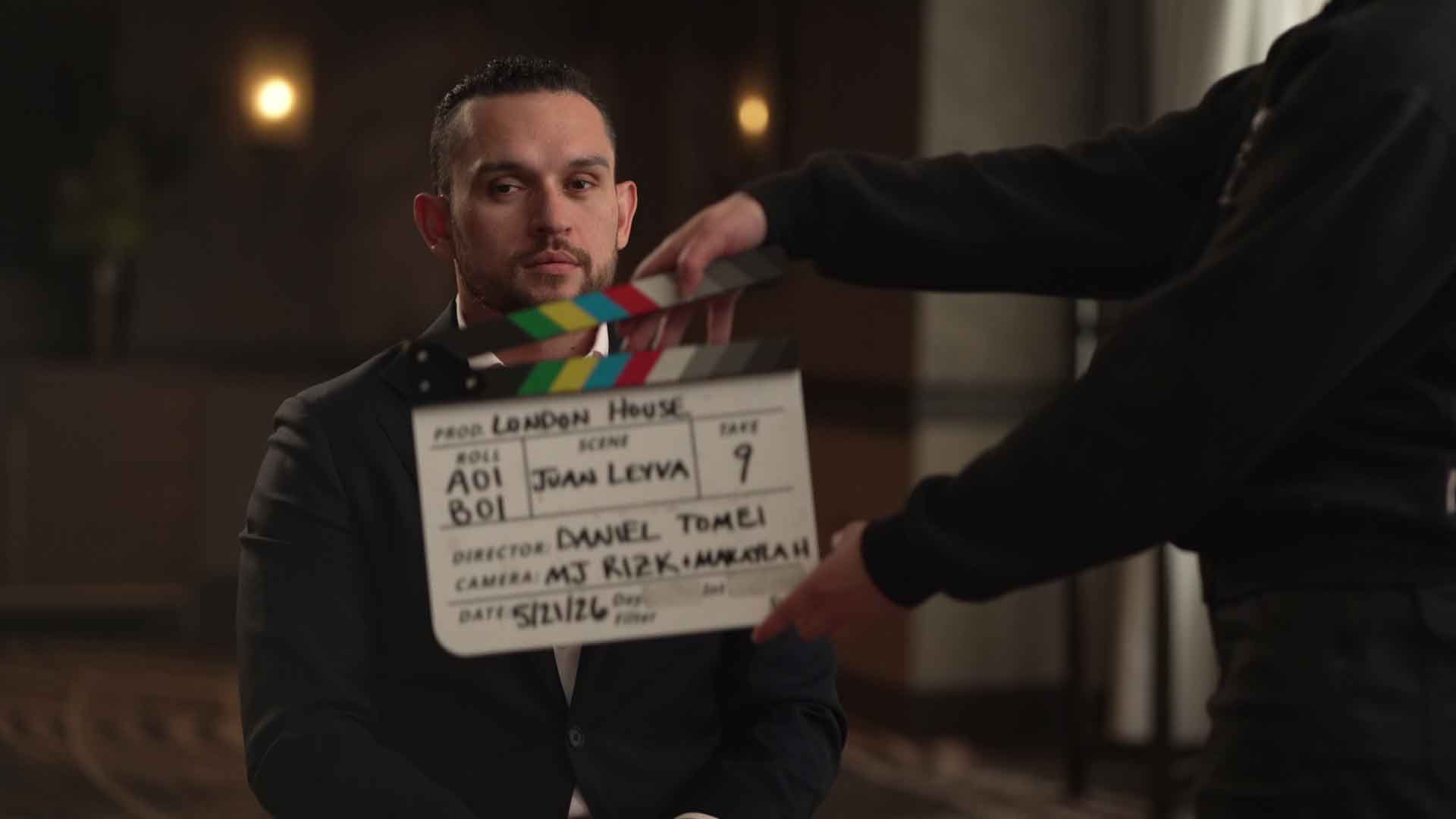
Talent: Juan Leyva, SVP & General Manager, LondonHouse Chicago; Board Chair, Choose Chicago Foundation
Deliverable: 4 finished lessons, additional internal-planning content, and B-roll across 3 hotel scenes
OUTCOME: Principal photography wrapped in 4 hours with time left for B-roll. Talent and client both expressed satisfaction with the rapport on set and the final product.
the stakes
About TYPSY
Typsy is a global e-learning platform serving the hospitality industry, with subscribers across hotels, restaurants, and bars worldwide. Their course library is documentary-style by design and built around real practitioners reflecting on real operational moments, not actors reading from a teleprompter.
About "Owning a High-Performing Shift"
The course teaches shift leaders how to maintain visibility, stability, and operational control as pressure builds. It's built around one central question: how do leaders maintain control of the entire shift as pressure builds? The learning is grounded in real stories, real observations, and real decision-making moments. The strongest material would come from natural, operational reflection, not scripted answers or coached delivery.
What this means:
When you're a remote brand entrusting your instructor, your standards, and your shoot day to a city you're not in, the producer on the ground is you. There's no margin for letting it look "produced." The footage has to feel observational. The instructor has to feel like himself. And the brand's shoot standards have to be protected without anyone from the brand in the room.
THE BRIEF
Produce a multi-lesson executive interview course with one of Chicago's most respected hospitality leaders. Documentary-style. No autocue. Capture B-roll across multiple location scenes. Meet Typsy's four producer standards: a fun, professional environment for the instructor, all planned content captured, shoot standards met, and a positive impression left on the venue.
Then make it sound like a conversation, not a script.
THE REALITY
Talent: A working SVP and General Manager — not a performer. Camera-unfamiliar.
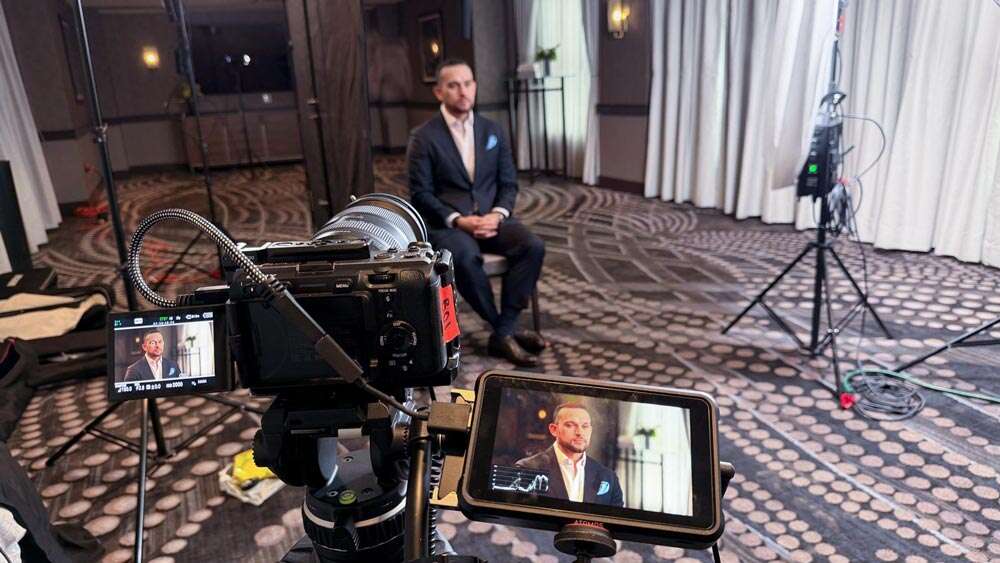
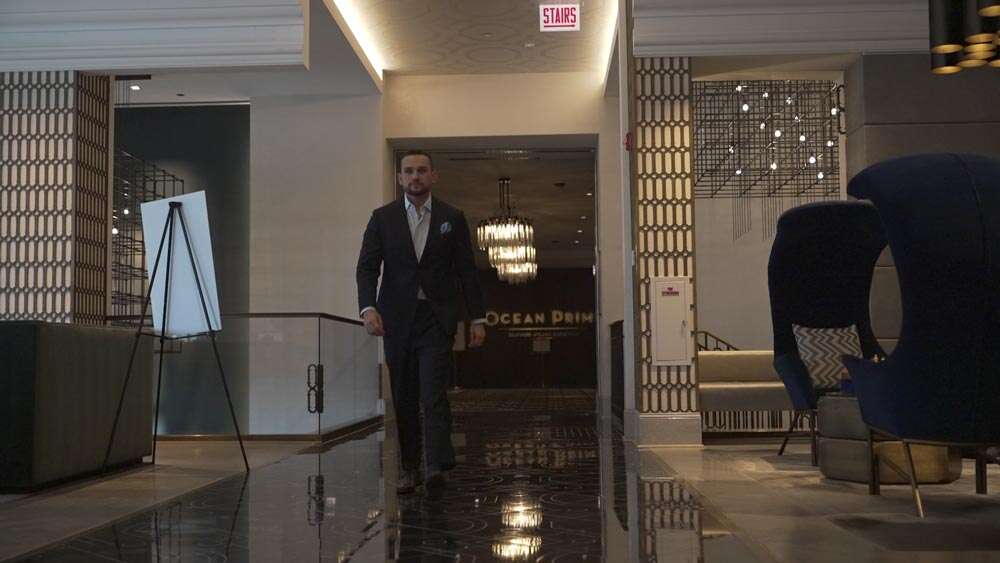
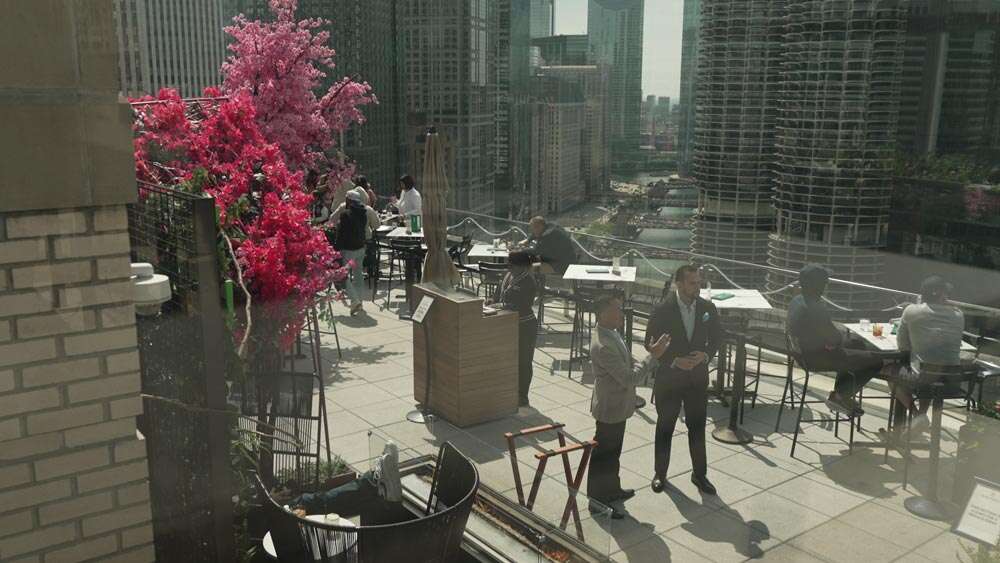
Location: A live five-star hotel during peak season. Lobby, restaurant, and iconic rooftop are all in active use.
Schedule: A single day. Juan is actively running a business between takes.
Direction: Typsy's creative team in Melbourne. The room and the rapport were on me.
The problem: Documentary style requires intimacy. Intimacy requires trust. Trust takes time. We had one day, three locations, four lessons to capture, and an instructor whose calendar belonged to a five-star hotel, not to us.
the decision
The first call I made wasn't about cameras. It was about the room.
LondonHouse is iconic for a reason, but iconic doesn't always mean filmable. A working hotel during peak season is choreography: housekeeping cycles, restaurant covers, event setups, guests moving through every corridor. Finding one room that fit the cinematic vision and could be quietly held for half a day required scouting against the venue's operational rhythm, not despite it.
The solution came together quickly once I framed it correctly:
Treat the hotel like a co-star. Dress the room. Move with the venue, not against it.
Why this works:
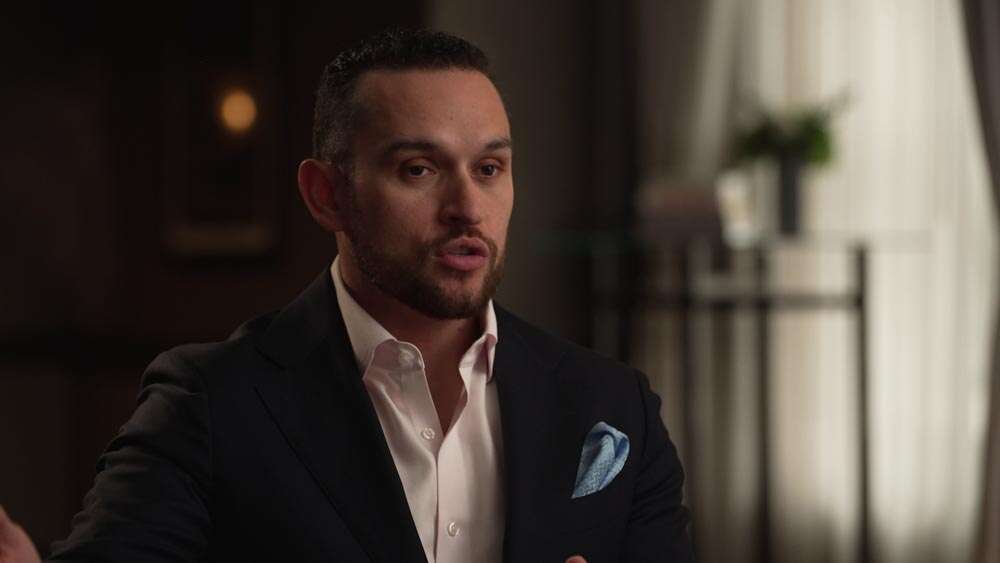
Dressing the location elevated it from "executive sitting in a hotel" to a styled, cinematic environment, on-brand for a hospitality course shot inside hospitality itself.
Bringing in additional lights and treating the windows for consistency meant the footage held up regardless of how the sun moved over downtown Chicago.
Filming on location (instead of pulling Juan to a studio) kept him in his element and put real hospitality on screen, which is exactly what the course was about.
the execution
Camera Strategy
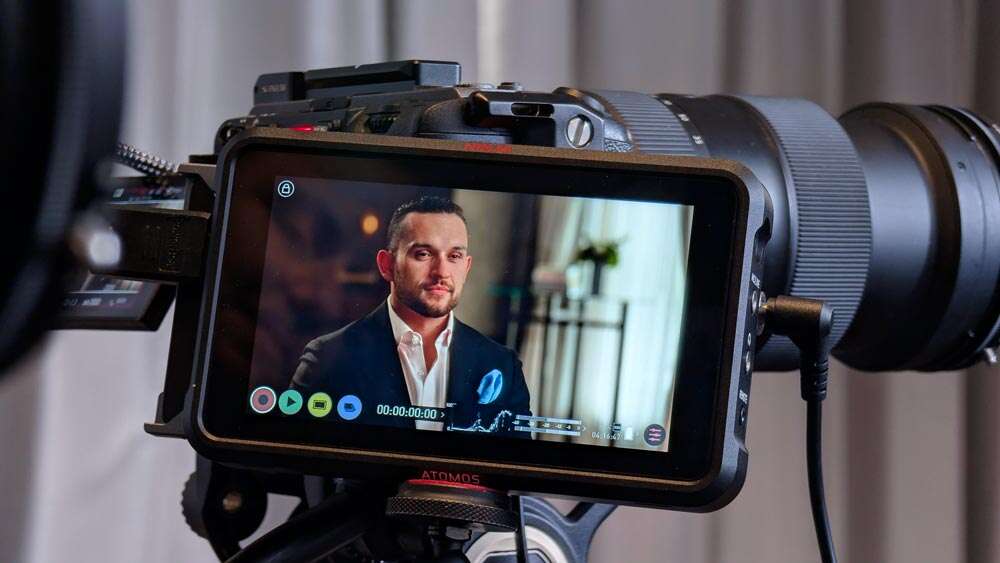
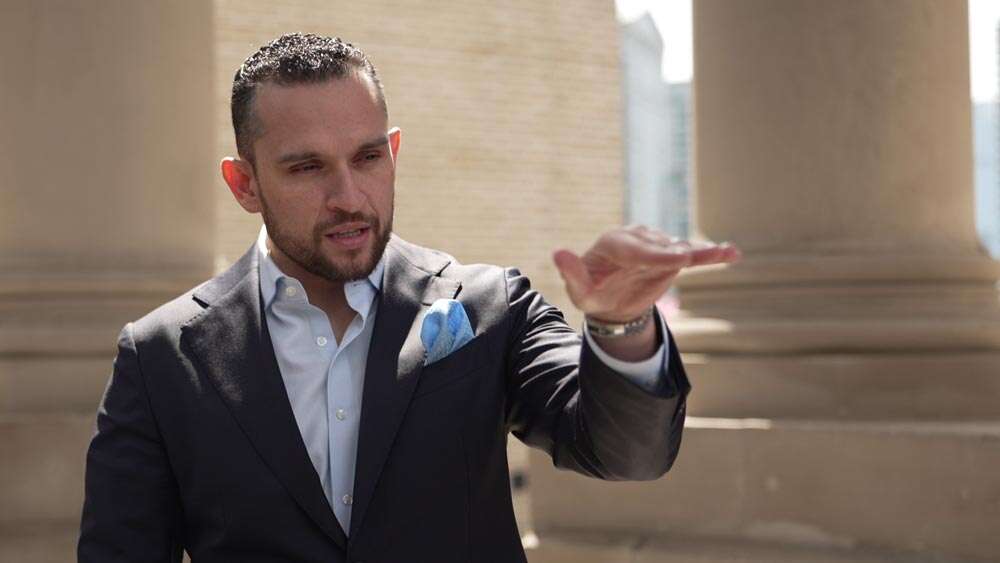
Camera A: Medium-wide, belly-button up, slightly off-camera for the editorial primary.
Camera B: Tighter coverage on a stronger angle for the emotional cut.
Talent is positioned toward the key light so neither angle ever reads flat.
Directing a Non-Actor
No autocue. The course was designed around natural operational reflection — anything that smelled like reading would have killed it. So the direction was about the person, not the page.
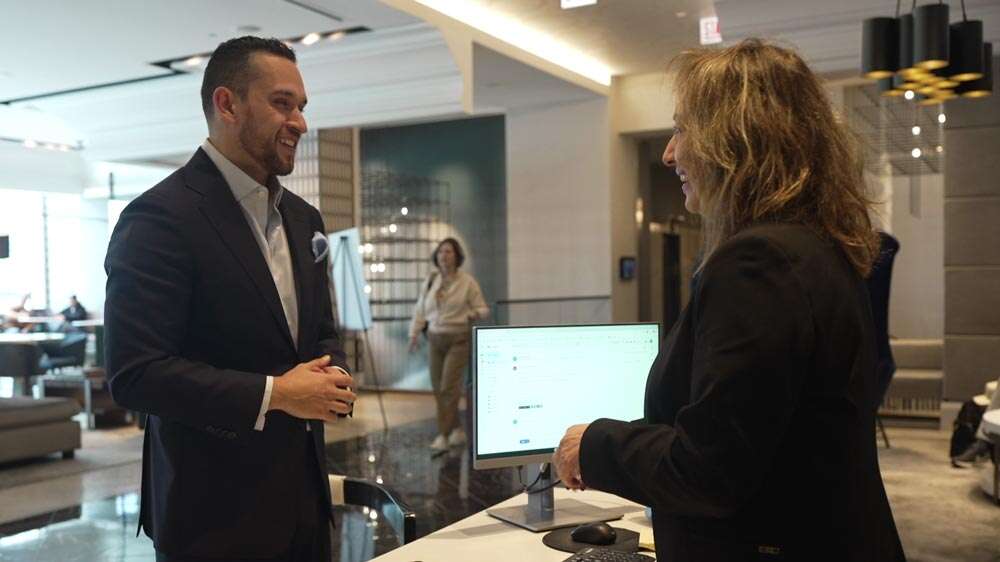
- Built rapport with Juan from the moment he arrived — coffee, conversation, walked him through the day before pointing a camera at him.
- Ran answers back when something felt off — let him hear himself, then offered the second take.
- Added follow-up questions outside the script when the moment called for it, to draw out the deeper, more authentic answer underneath the surface one.
- Held his gaze for three seconds before and after each take — a Typsy standard, executed without making it feel like a standard.
What Made It Cinematic
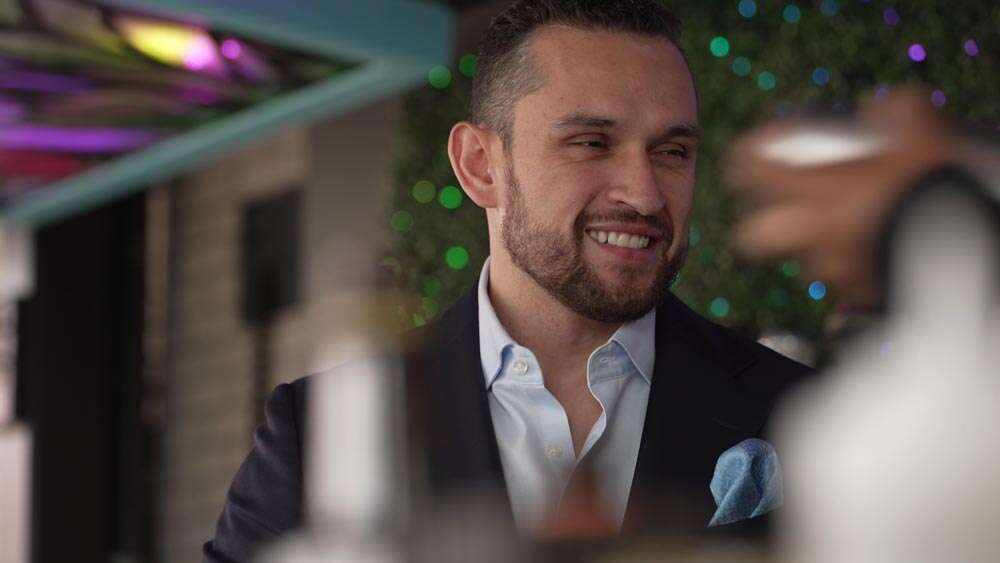
Lenses: High-aperture glass, creamy bokeh in the background
Location dressing: Treated the room as a set, not a backdrop.
Lighting: Brought in additional units; controlled the window light to hold consistency across four hours of changing daylight.
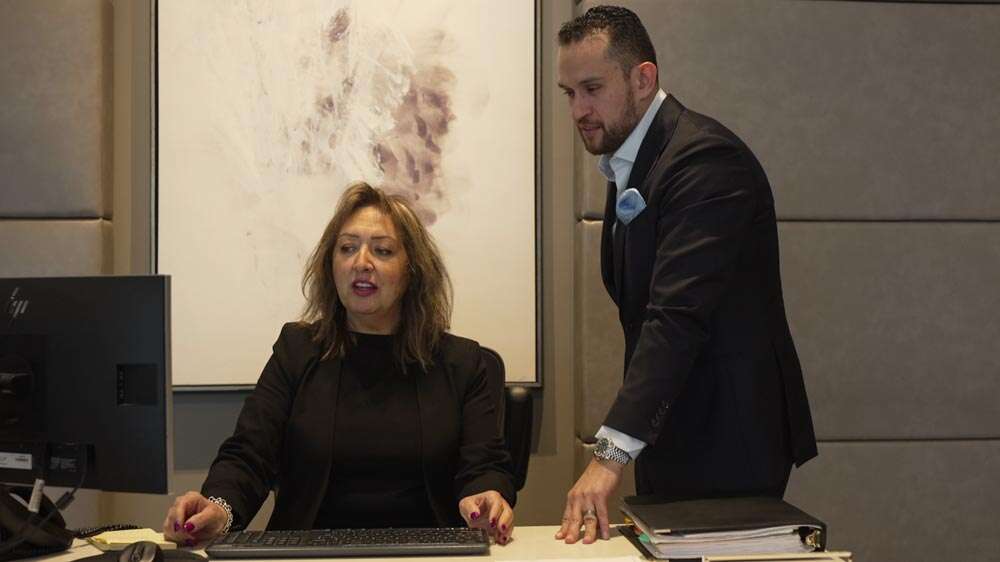
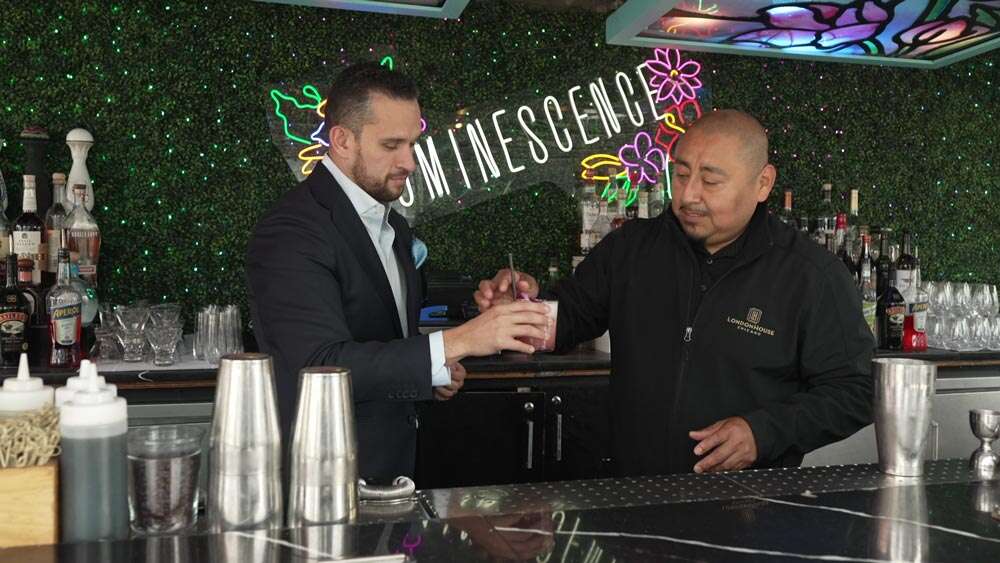
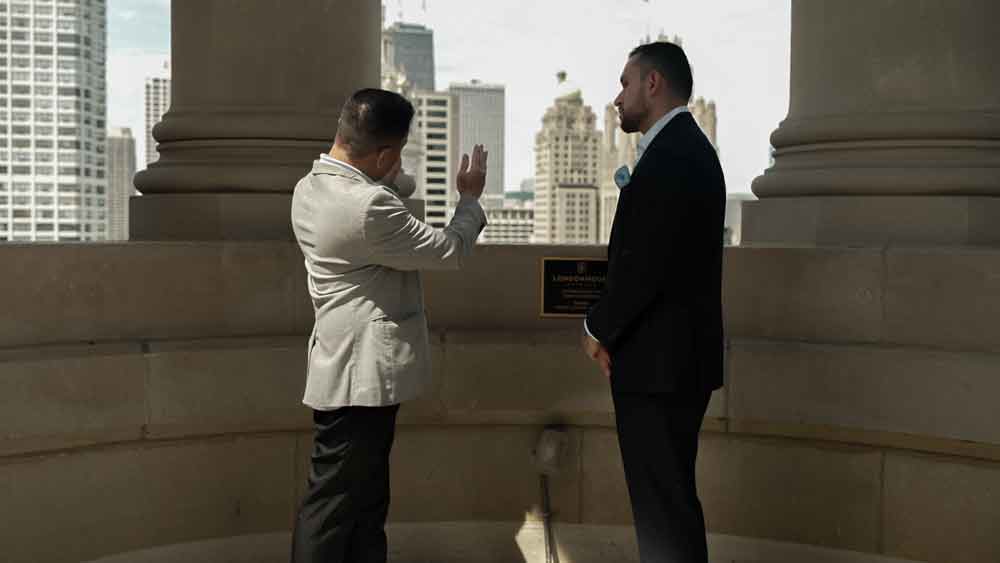
Three scenes for variety: Captured separate B-roll setups in the lobby, the restaurant, and the iconic rooftop: three distinct visual textures from one venue.
Pace: Finished principal in time to shoot the additional B-roll Typsy would later cut against the interview.
WHAT I LEARNED (And How It Helps Future Clients)
For Remote Brands and E-Learning Teams
Lesson 1:
Be the brand in the room.
When the client is in Melbourne and the talent is in Chicago, the producer on the ground isn't a vendor — they're the client's representative. That means knowing the brand's shoot standards cold, defending them like your own, and making decisions in real time the way the client would if they were there. That's the job. That's the trust.
Lesson 2:
For non-actors, rapport is the technique.
You can have the best lighting, the best lenses, and the best camera plan and still get flat answers from someone who doesn't feel comfortable. The technique that actually moves the footage forward is making the person on camera feel safe: a real conversation before the shoot, and the patience to run answers back without making them feel corrected.
Lesson 3:
The location is part of the casting.
Filming a hospitality course at a working five-star hotel wasn't a logistical inconvenience; it was the point. The venue carried half the on-screen credibility. Choosing to film at London House meant the course felt operational, because it was operational. The room cast as well as the talent.
Lesson 4:
Pace beats panic.
Four lessons, three scene setups, one shoot day, one instructor with a hotel to run. We wrapped principal and had time left for B-roll. Pace is a function of preparation: scouting before, dressing in advance, briefing the crew on the standards, and trusting the people you've assembled.
Working with remote brands is normal. Build for it.
If you're an international training platform, a national association, or a brand with a creative team somewhere other than your shoot city, the day depends on the producer who's actually in the room. The right one becomes a fractional extension of your team: your standards, your voice, your eye for the room, without flying anyone.
The Typsy approach I used here works anywhere the brand can't be on set: e-learning, association content, expert interviews, healthcare physician series.
What Engine can I build for you?
You just read how I produced a four-lesson documentary-style course inside a working five-star hotel.
If you need expert interview content, training course production, or a fractional producer who can represent your brand in a city you're not in, let's talk.
I work through three models: an Expert Content Engine for solo practitioners and founders, a Care Content Engine for healthcare organizations, or standalone projects for one-time needs.
No pitch. No pressure. Just a conversation to see if this fits your goals and your workflow.
Start a Project