
Sodexo - Cook for Change Chicago
Multi-camera event coverage. Zero chaos. Pre-production planning that guarantees nothing gets missed.
CLIENT: Sodexo (via agency partnership)
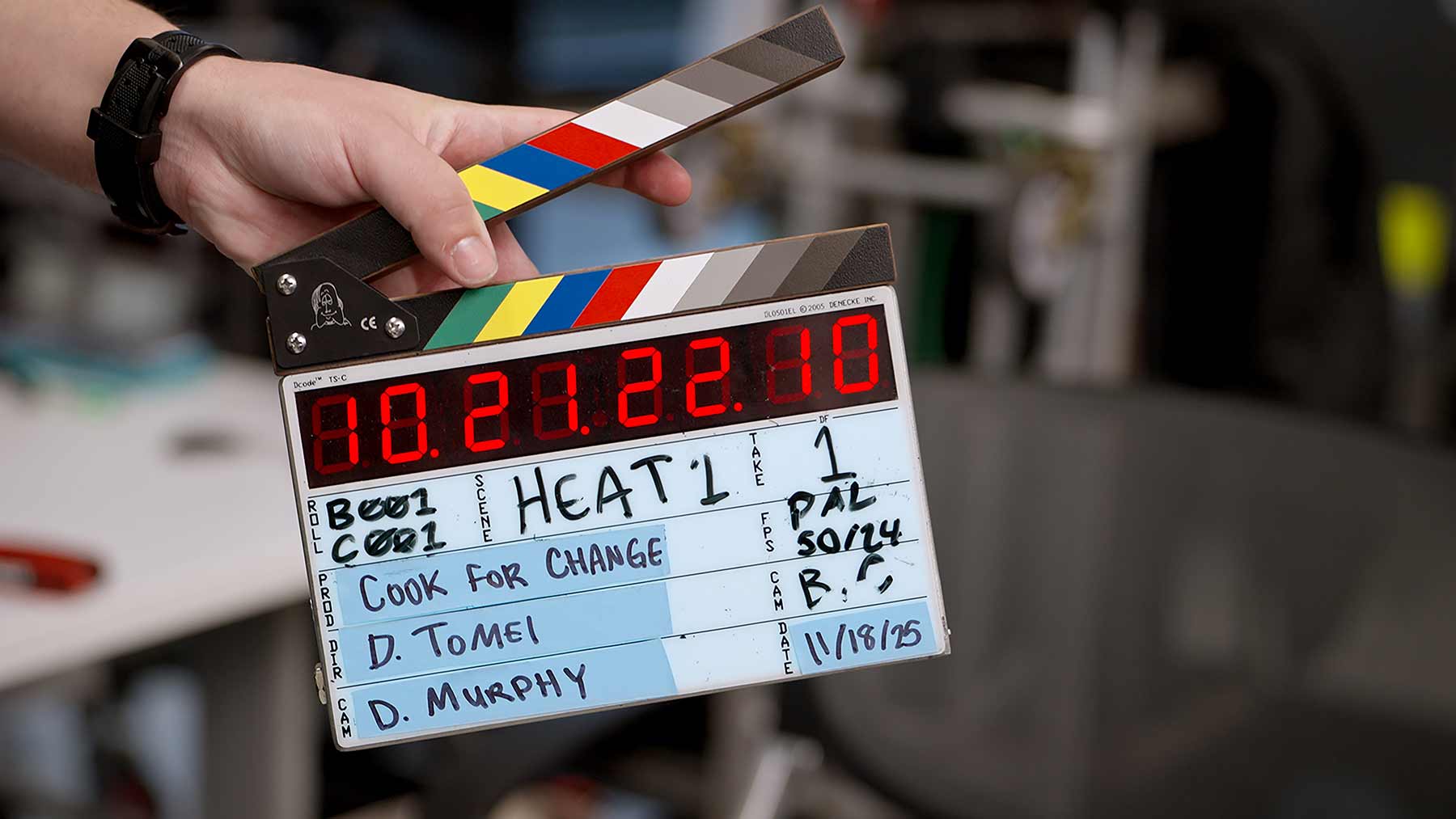
PROJECT: Cook for Change Americas Regional Competition
LOCATION: Chicago, Illinois
ROLE: Director/Producer + Additional Camera
TEAM: DP, Sound Engineer, 2 Camera Assistants, Photographer
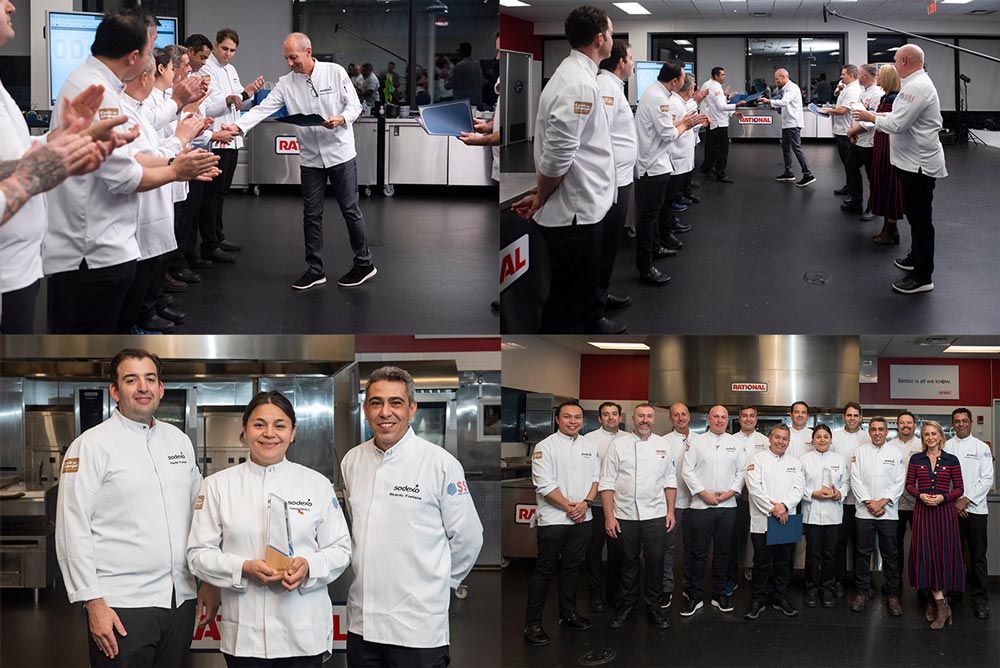
DELIVERABLE: Multi-camera event coverage + winner interview edits for social media (16x9 + 9x16)
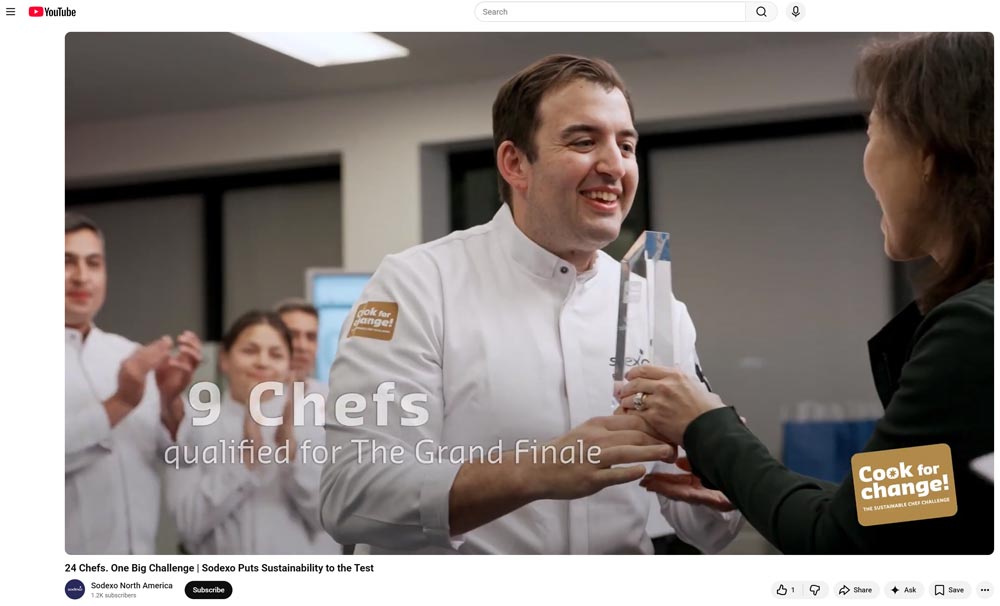
OUTCOME: Client "very happy" according to agency. Full-day competition captured with zero chaos despite complex logistics.
the stakes
About Cook for Change
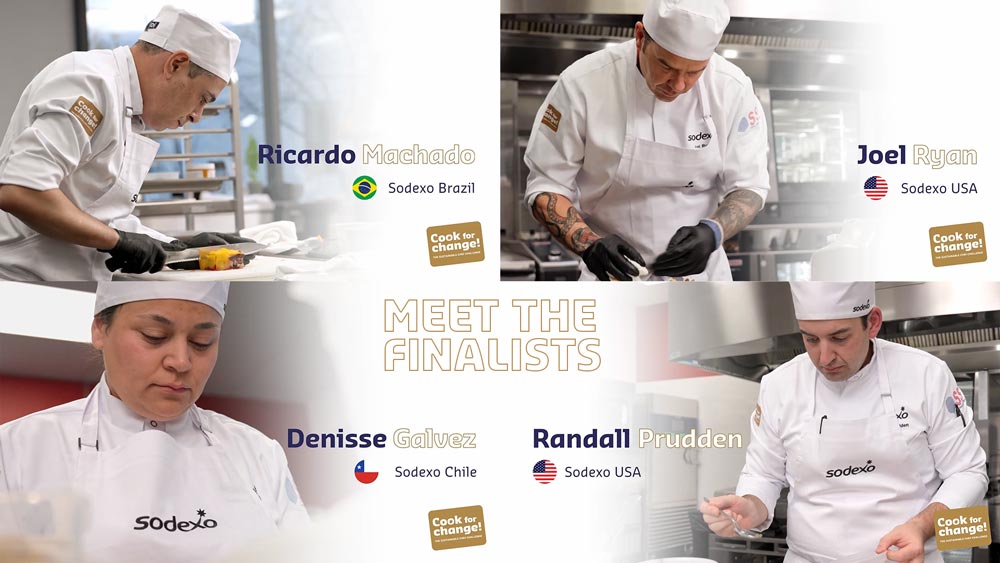
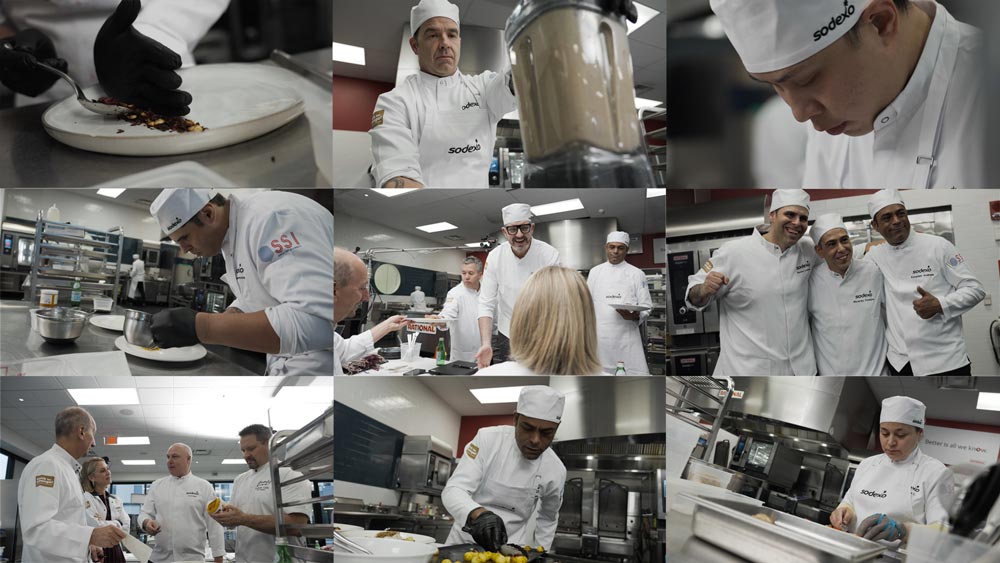
Sodexo's Cook for Change is a global culinary competition where chefs from around the world compete to showcase innovation in sustainable, health-conscious cuisine. The Americas regional stage brought together 9 chefs competing for a place in the global finals, and Sodexo needed flawless documentation of the entire event.
What this means:
This wasn't just filming cooking. This was capturing a high-stakes competition with multiple simultaneous cooking stations, time-sensitive interviews, food photography that had to happen while dishes were still plated, and a client expectation of polished, broadcast-quality coverage.
THE BRIEF
Capture the Chicago stage of Cook for Change:
- 9 chefs competing simultaneously
- Cooking action across 3 stations
- Individual interviews with each chef
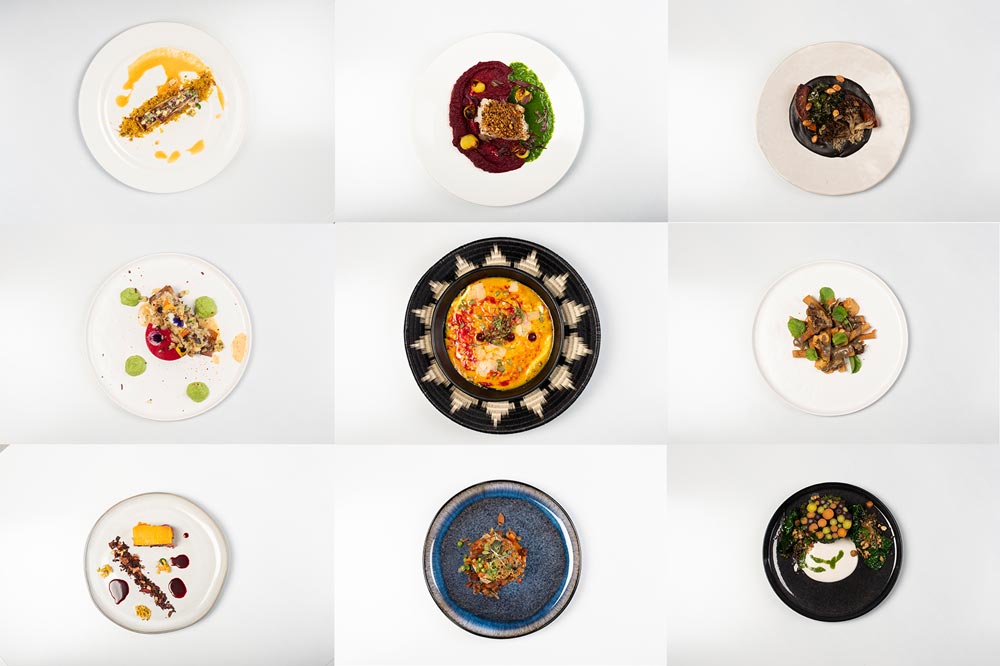
- Food photography of final dishes
- Winner interviews edited for social media (16x9 + 9x16) for immediate posting
Challenge: Everything happening at once. Chefs cooking, dishes being plated, interviews needed during narrow windows, and food photography requiring perfect timing before plates left the presentation station.

THE PRE-PRODUCTION
The pre-production call was critical. Agency, client (Sodexo), and I met to lock in every detail:
What we mapped out:
- Camera placement for 3 simultaneous cooking stations
- Interview rotation schedule (10-minute blocks per chef)
- Food photography station workflow
- Audio strategy (wireless lavs for chefs, boom for ambient kitchen sound)
- Lighting setup that worked for both video and photography
The location scout revealed the biggest challenge: We had to shoot interviews and food photography in the same room where the competition was taking place. Other rooms were either too far from the cooking stations (making the distance between dishes and photo setup too long) or occupied.
The solution: Design a quiet interview corner that could function during active competition. We set up sound baffles, positioned the interview station away from the loudest cooking areas, and scheduled interview blocks during natural breaks in the competition flow.

THE DECISION: BUILD A CREW
Why I didn't go solo:
This project required coverage breadth that one person couldn't deliver. Here's the math:
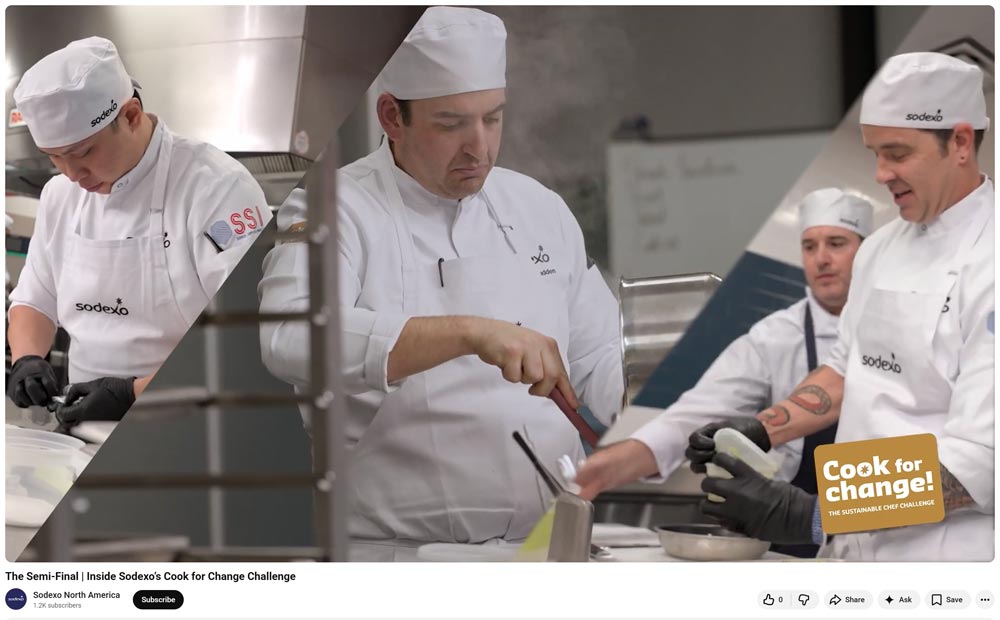
- 3 cooking stations running simultaneously
- 9 chefs needing interviews
- Food photography happening while dishes were still presentation-ready
- B-roll requirements from multiple angles (overhead shots, close-ups, wide establishing shots)
The crew I built:
- DP (Director of Photography): Locked camera on Station A (wide coverage)
- Camera Assistant 1: Locked camera on Station B
- Camera Assistant 2: Locked camera on Station C
- Sound Engineer: Managing wireless lavs on chefs + boom for ambient kitchen audio
- Photographer: Dedicated food photography station
- Me: Director + roaming additional camera for dynamic shots
Plus: I brought 3 GoPros and rigged them at 45-degree overhead angles in front of the chefs. We couldn't rig directly overhead due to safety and location restrictions, but the angled overhead shots gave us continuous capture and were used in the intro.
THE EXECUTION
The choreography
How we managed 9 chefs + interviews + cooking + food photography without chaos:
All of it was locked in pre-production.
The agency, client, and I had mapped out the "script" for the day:
My role as director + additional camera:
I toggled between calling shots and shooting. When the DP and camera assistants had their locked coverage running, I grabbed handheld for:
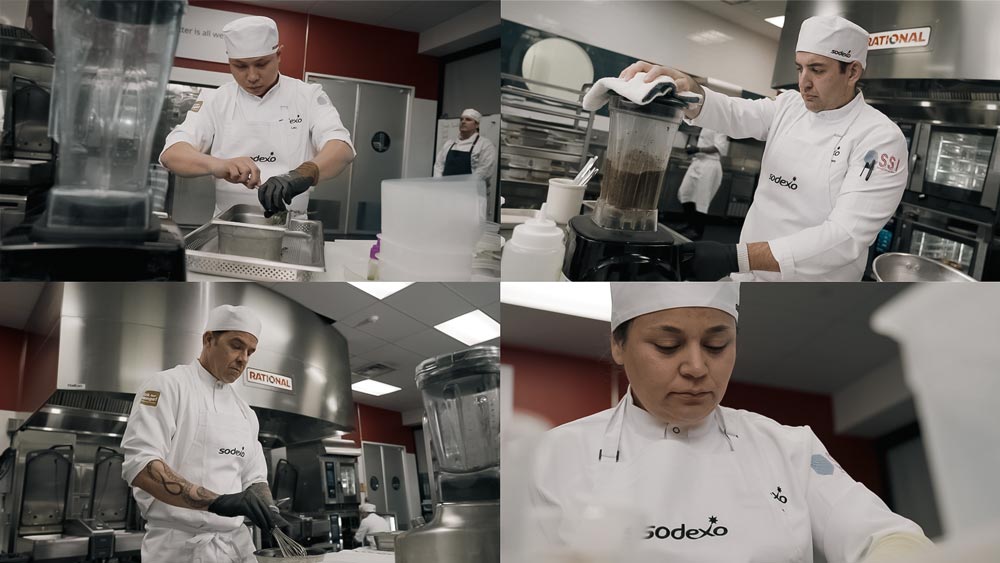
- Extreme close-ups (knife work, plating details, sauces being drizzled)
- Over-the-shoulder shots of chefs reacting to each other's work
- Movement between cooking stations (creating visual transitions)
What made this work: The chefs felt supported, not stressed. We weren't scrambling. We were executing a plan.
THE POST-PRODUCTION
Turnaround:
Food photography: Edited same day back at the studio. Client needed these immediately for press and social announcements.
Video edits: Took a couple of weeks. We delivered:
- Winner interviews edited for social (16x9 for website/YouTube + 9x16 for Instagram Stories/Reels)
- B-roll package for agency to use in their own edits
- Full event coverage documentary selects
THE HARDEST PART
Nothing.
We had the majority of shots and scenes locked in pre-production. We only needed to follow the "script" and use our creativity to deliver interesting, captivating, and visceral shots of the chefs in action.
Close-ups of food being chopped and prepared. Wide angles and medium combos. Overhead angled shots from the GoPros. It all flowed because the plan was solid.
WHAT I LEARNED (And How It Helps Future Clients)
For Corporate Teams and Associations
Lesson 1:
Lesson 1: Pre-production is everything.
The chaos of live events doesn't go away. You design systems that function within the chaos. The pre-production call with agency + client + producer is where you map out every scenario, lock in the logistics, and build contingency plans.
Lesson 2:
Scaling up vs. solo work.
I'd always prefer a crew when budget allows. Multiple sets of eyes guarantee coverage you'd miss going solo. But I also understand budget constraints.
Lesson 3:
The client doesn't need to know how hard it was.
From the agency and Sodexo's perspective, everything ran smoothly. That's the point. They hired a professional. The system worked. The deliverables arrived on time.
If you're planning a conference, product launch, or live competition, the value of a producer isn't just "showing up with cameras." It's designing the coverage plan so nothing gets missed and no one panics.
That's what 20 years of experience buys you: the ability to make complex logistics look easy.

THE BROADER LESSON
High-stakes clients don't hire producers for one-off events. They hire producers who become part of their process.
Sodexo didn't need someone to "figure it out on the day." They needed someone who had already figured it out in pre-production — someone who understood that live events require systems, not improvisation.
That's the value of fractional creative production: You get 20 years of experience embedded in your team for the duration of the project, not a freelancer learning on your dime.
Ready to document your next High Stakes Event?
Whether it's a culinary competition, corporate conference, product launch, or awards ceremony, let's talk about your event coverage needs.
Just a conversation to see if this fits your goals and your workflow.
Start Your Project